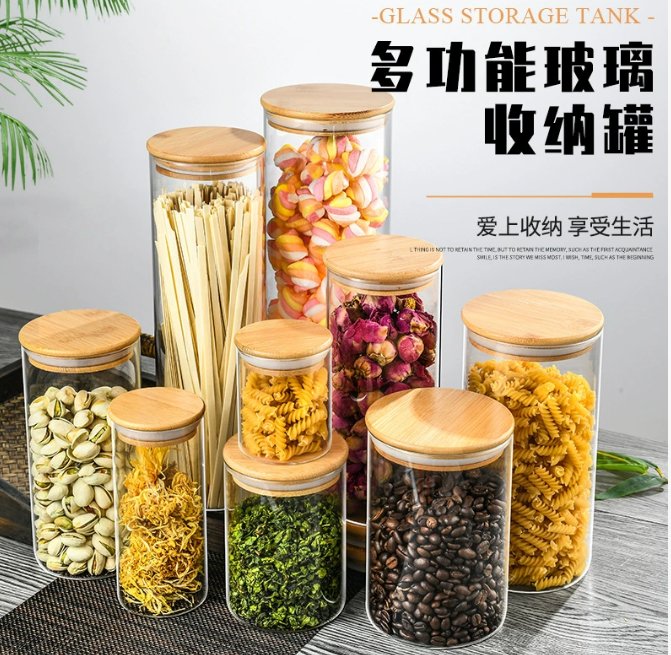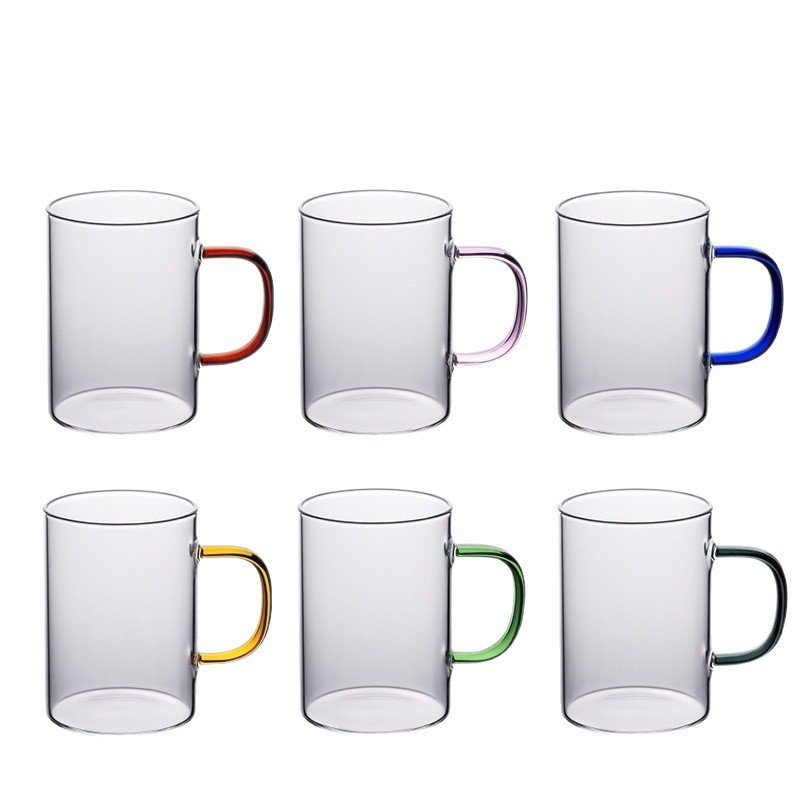
If you are developing glass drinkware or storage products, one of the first decisions you will face is the material: borosilicate glass or ordinary soda-lime glass. They look similar on the shelf, but they behave very differently in real use. Here is how we explain the difference to our customers.
1. Thermal shock resistance
Borosilicate 3.3 glass has a very low coefficient of thermal expansion (about 3.3 × 10⁻⁶/K). In practice, this means a borosilicate cup can go from boiling water to room temperature without cracking, while soda-lime glass is far more likely to break under the same shock. For double-wall cups, teapots and kitchen storage, this is the decisive advantage.
2. Clarity and feel
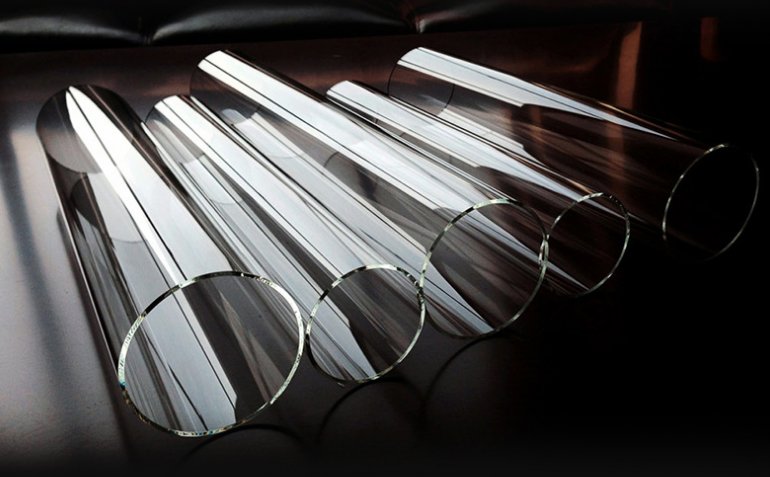
Borosilicate glass is clearer and lighter at the same wall thickness, with a cleaner, more premium look. Soda-lime glass often carries a slight green tint at the edges. If your brand positions itself in the mid-to-high segment, the visual difference matters.
3. Chemical durability
Borosilicate resists acids and alkalis better, which is why it is the standard for laboratory glassware. For food contact products, both materials are safe when produced properly, but borosilicate gives you extra headroom on compliance testing.
4. Cost
Soda-lime glass is cheaper in raw material and easier to form at lower temperatures. Borosilicate requires higher melting temperatures and more controlled annealing, so the unit cost is higher — typically justified by lower breakage rates and a longer product life.
Our recommendation
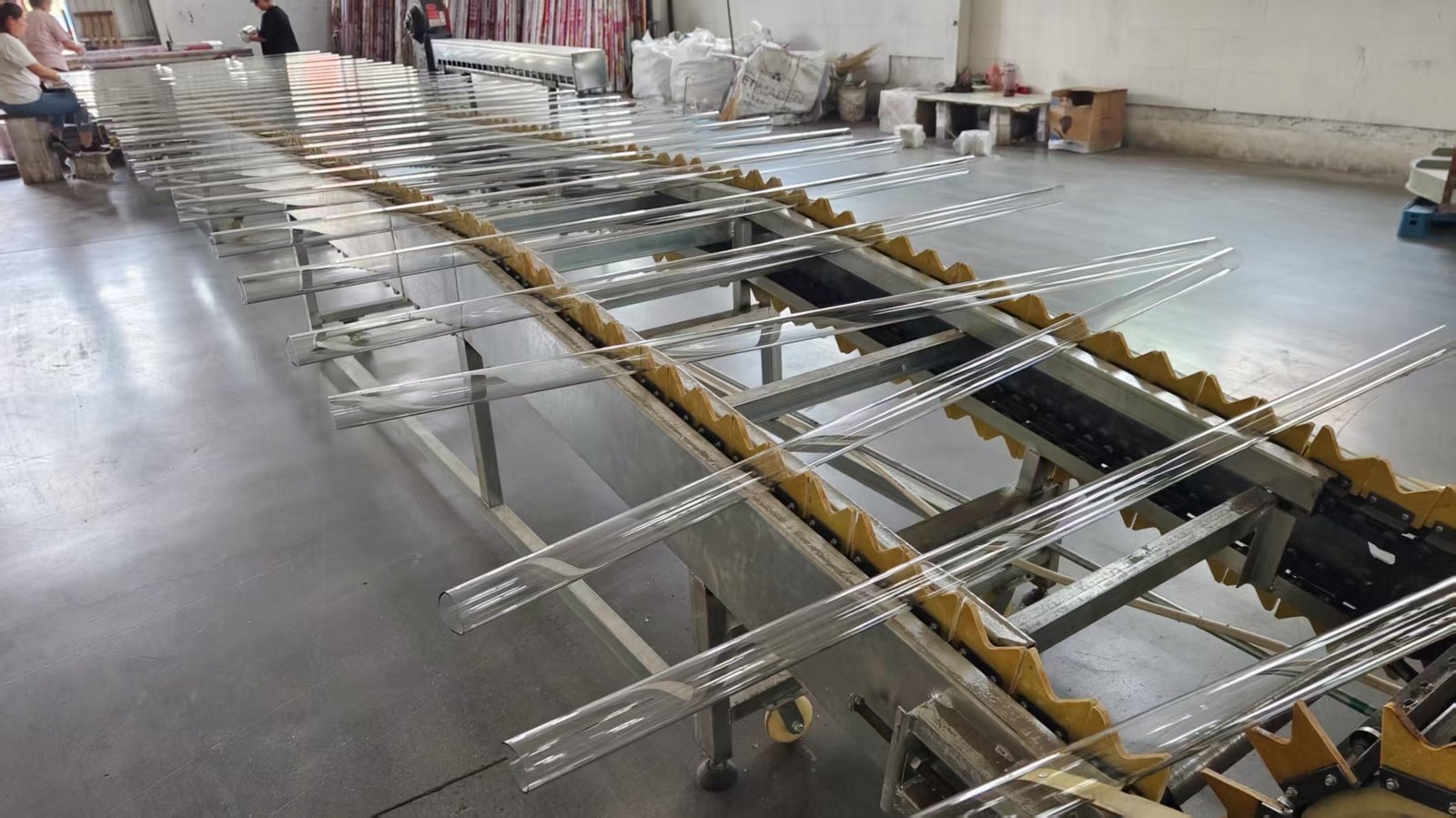
Choose borosilicate when the product meets hot liquids, goes in dishwashers or microwaves frequently, or carries a premium brand promise. Choose soda-lime for simple, price-driven, room-temperature products. As a borosilicate specialist, we produce our own 3.3 tubes and rods in-house, which lets us control quality from the raw material stage — talk to us if you want samples of both to compare.